
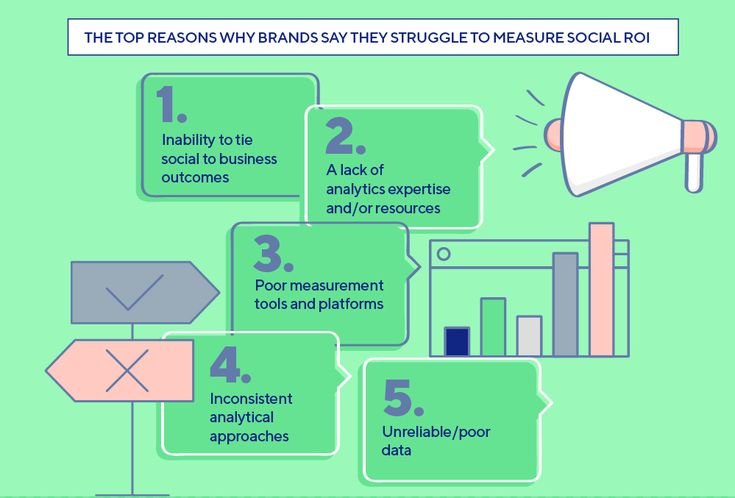
Social Media ROI (Return on Investment) measures how much value a business gets from its social media investment. It compares the money, time, and resources spent on social media with the results generated, such as leads, customers, sales, or revenue. In simple words: Social media ROI tells you whether your social media efforts are actually helping the business grow and making the investment worthwhile.
Key Takeaways
- Social Media ROI shows whether your social media investment is worth it.
- Don’t focus only on likes, followers, and views.
- Track valuable results like leads, customers, sales, and revenue.
- Choose KPIs that match your business goals.
- Use proper tracking to connect social media with real conversions.
- A strong ROI report helps you prove social media value to clients or bosses.
- The goal is simple: Turn social media activity into measurable business results.
What Is Social Media ROI?
Social media ROI (Return on Investment) shows how much value you get from the money, time, and resources invested in social campaigns.
This mirrors the standard Return on Investment concept used across all business and finance disciplines, not just marketing.
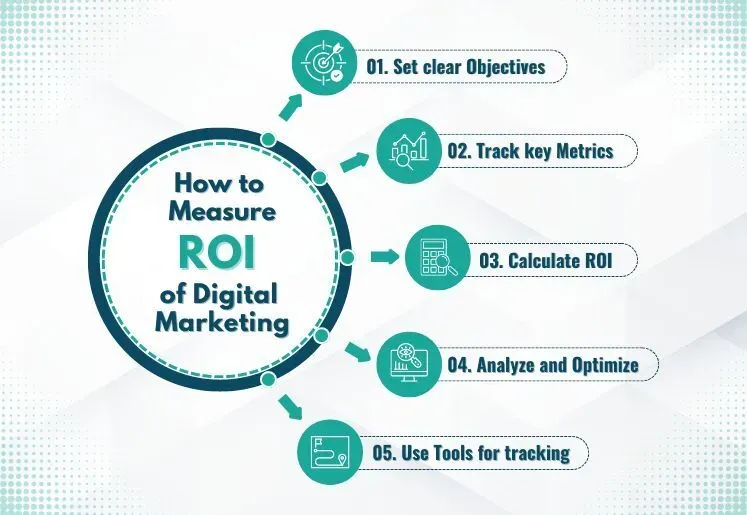
The universal formula used to calculate it is:
Social Media ROI=Investment CostReturn (Revenue Generated)−Investment Cost×100
A Simple ROI Calculation Example
- Total Investment: You spend $1,000 on social media (including ads, tools, and labor).
- Revenue Generated: Your campaigns generate $3,000 in direct revenue.
- The Math: ($3,000−$1,000)÷$1,000×100=200% ROI.
This means your social media investment produced a profitable 200% return after covering your initial costs.
Why Social Media ROI Matters (And Why Bosses Don’t Care About Likes)
Clients and bosses usually don’t want to hear only about likes and followers. They want to know the hard business fundamentals:
- How many leads did we get?
- How many customers came from social media?
- How much revenue did we generate?
- How much did we spend?
- Was the campaign profitable?
A great social media ROI report answers these questions clearly and shifts the conversation from attention to economics.
The Complete Conversion Journey
Social Media Reach→Traffic→Leads→Customers→Revenue→ROI
Important Social Media KPIs to Track
You don’t need to track dozens of confusing numbers. Focus on KPIs that match your specific business goals:
.Reach: Shows how many unique people actually saw your content.
.Engagement: Includes likes, comments, shares, and saves. It helps you understand whether people are interested in your content.
.Website Traffic: Shows how many people visited your website directly from social media.
.Leads: Tracks people who take high-intent actions, such as:
Filling out a form
Sending a message or inquiry
Requesting a quote
Booking a call
Signing up for a newsletter
.Conversions: Shows how many people completed an important action, such as purchasing a product or booking a service.
.Revenue: This is one of the most important social media results because it connects your marketing activity directly to business income.
Don’t Focus Only on Likes and Followers
Likes and followers can be useful for brand presence, but they do not automatically mean your business is making money.
- Campaign A: 10,000 likes → 2 sales
- Campaign B: 2,000 likes → 20 sales
Campaign B is vastly more valuable to the business. That is why you must always prioritize tracking traffic, leads, customers, and revenue over surface-level applause metrics.
The Most Important Types of Social Media ROI
Depending on your campaign objectives, you can segment your return into these core categories:
.Direct ROI: Measures the revenue earned directly from social media sales or ad conversions.
.Lead Generation ROI: Measures the pipeline value of leads generated through social channels.
.Sales ROI: Shows how much total sales revenue comes or is influenced by social media.
.Customer Acquisition ROI: Measures how effectively social media helps you gain new customers relative to acquisition costs.
.Brand Awareness ROI: Measures the long-term value of increasing brand visibility, search volume, and market reach.
.Campaign ROI: Measures the overall success and profitability of a specific social media campaign or product launch.
How to Prove Social Media Value to a Client
When your client asks, “What did I get from social media?”
- Weak Answer: “We increased your followers by 20%!”
- Strong Answer: “Social media generated 80 website leads this month, including 20 qualified inquiries and 8 new customers.”
Presenting clear data makes it effortless to prove the real-world value of your work. Want more ways to generate trackable leads before you even run a campaign? Check out our lead generation strategy guide.
How to Prove Social Media ROI to Your Boss
Use a clean, executive-level report divided into four simple sections:
.Investment: Show how much was spent on ads, content creation, software tools, and social media management.
.Results: Show reach, website visits, leads, customers, and revenue.
.ROI: Show the ROI percentage calculation clearly.
.Next Steps: Explain what worked, what didn’t work, what you will improve, and what you will test next.
This transforms your update from a standard social media statistics sheet into a strategic business report.
Simple Social Media ROI Report Example
| Social Media KPI / Metric | Result |
| Reach | 50,000 |
| Website Visits | 2,000 |
| Leads Generated | 100 |
| New Customers | 15 |
| Revenue Generated | $4,000 |
| Total Investment | $2,000 |
| Calculated ROI | 100% |
This simple format allows your client or boss to understand the social media results at a single glance.
Final Thoughts
Measuring social media ROI doesn’t have to be complicated.
Start with your core business goal, choose the right social media KPIs, track your leads and conversions, measure revenue, and compare those results directly with your total investment.
- Reach shows attention.
- Engagement shows interest.
- Leads show potential customers.
- Sales show business results.
- ROI shows whether your investment was worthwhile.
When you can connect social media activity to real business results and leverage tools like WhatsApp Business Marketing 2026 to convert attention into direct communication it becomes remarkably easy to prove its value to your clients or bosses.
Social Media ROI & KPI Quick-Reference Table
| Category | Metric / KPI | What It Measures | Why It Matters to Bosses / Clients |
| Attention | Reach | How many unique people saw your content. | Shows overall brand visibility and audience size. |
| Attention | Engagement | Likes, comments, shares, and saves. | Shows if people find your content interesting or relatable. |
| Traffic | Website Visits | Clicks moving users from social to your site. | Proves social media is actively driving traffic to your landing pages. |
| Conversion | Leads | Form fills, inquiries, quote requests, or calls. | Identifies potential customers entering your sales funnel. |
| Conversion | Conversions | Completed purchases or booked services. | Directly connects social activity to actionable business transactions. |
| Financial | Revenue | Total monetary income generated from social campaigns. | The ultimate proof of whether your marketing efforts are profitable. |
Conclusion
Measuring social media ROI helps you understand whether your time, money, and effort are producing real business results. By tracking the right KPIs, leads, conversions, sales, revenue, and costs, you can clearly see what is working and where you can improve.
Most importantly, don’t just show likes, followers, or views. Show how social media helps generate customers, sales, and revenue. If you also use messaging platforms to turn social media interest into real customer conversations, you can learn more from our brandsholder guide. When you can connect social media activity to real business results, you can confidently prove its value to clients or bosses.
Frequently Asked Questions
1. What is social media ROI?
Social media ROI measures the financial return a business gets from its total time, money, and resource investment in social media.
2. How do you calculate social media ROI?
Use the standard formula: (Return − Investment) ÷ Investment × 100.
3. What are the most important social media KPIs?
The key metrics include reach, engagement, website traffic, leads, conversions, sales, revenue, and overall ROI.
4. How can I prove social media ROI to a client?
Show how social media generated actual leads, customers, sales, and revenue, instead of focusing only on vanity metrics like likes and followers.
5. What should a social media ROI report include?
It should include your total investment, performance KPIs, leads acquired, customers closed, revenue generated, ROI percentage, and strategic next steps.
6. Are followers and likes important for ROI?
They show audience growth and content resonance, but they do not directly prove financial ROI or profitability on their own.
7. How can I improve social media ROI?
Focus your content and ad campaigns on generating quality leads and sales, track the results closely, and use those insights to optimize future compaigns.