The Skyscraper Technique has changed significantly since Brian Dean first introduced it. In 2026, simply creating longer content than competitors is no longer enough. Google now rewards originality, first-hand experience, topical authority, and content that genuinely helps users. This guide explains how the updated Skyscraper Technique works, what has changed, and how you can use it to earn quality backlinks, improve rankings, and create content that stands out in AI-powered search results.
Introduction
The skyscraper technique seo 2026 approach is no longer about making an article bigger than everyone else’s. Search engines have become much smarter, and they now look for content that provides unique value instead of repeating existing information. If your article solves real problems, shares fresh insights, and offers a better experience, it has a much stronger chance of ranking well.
The original strategy, introduced by Brian Dean, focused on finding popular content, improving it, and reaching out to websites for backlinks. That framework still has value today, but it needs important updates. AI-generated content, Google’s Helpful Content System, and stronger EEAT signals have completely changed what “better content” actually means
.
Instead of competing by adding more words, modern marketers compete by offering better research, expert knowledge, useful visuals, and practical solutions. That shift is what makes the Skyscraper Technique 2.0 relevant for today’s SEO landscape.
What Is Skyscraper Technique SEO in 2026?
The modern Skyscraper Technique focuses on creating content that is more useful rather than simply longer. It combines strong research, user intent, topical authority, and thoughtful optimization to earn trust from both readers and search engines. The goal is to become the best available resource instead of producing another version of the same article.

The Original Brian Dean Technique
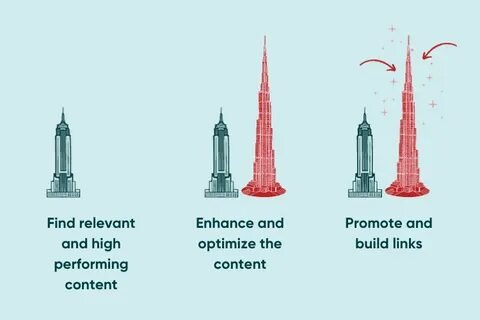
Brian Dean introduced the Skyscraper Technique as a simple three-step process. First, you find content that already performs well. Next, you improve it with better information, updated examples, and stronger formatting. Finally, you contact websites that linked to the original content and encourage them to consider your improved version.
This strategy became popular because many websites naturally preferred linking to content that delivered greater value. At the time, creating a longer and more detailed article often produced impressive SEO results.
Why the Strategy Became Popular
The method gained attention because it offered a repeatable way to earn backlinks. Website owners wanted quality resources, and better content often attracted their interest. Many marketers successfully increased organic traffic using this straightforward process.
The strategy also encouraged content creators to focus on quality instead of shortcuts. That principle still remains valuable today, even though the execution has evolved significantly.
How Search Engines Have Evolved Since Then
Google now evaluates much more than content length. Search intent, user satisfaction, originality, and expertise all influence rankings. AI-powered search experiences also prioritize trustworthy answers supported by real knowledge.
Modern algorithms reward pages that demonstrate experience and solve problems clearly. Simply rewriting competitor articles is no longer enough to achieve lasting success.
Why the Original Skyscraper Method Needed an Update
Search engines now understand quality in ways they never could years ago. AI-generated articles have flooded the internet, making originality more important than ever. This reality has transformed the skyscraper method updated approach into something far more strategic.
AI-Generated Content Changed Competition
Creating content has become easier because of artificial intelligence. Thousands of similar articles appear online every day, making it difficult for average content to stand out. Readers now expect information that offers unique experiences instead of recycled ideas.
Adding original case studies, practical examples, or industry insights creates stronger value. Those elements cannot easily be copied by automated tools.
Google Helpful Content and EEAT
Google’s Helpful Content System encourages creators to write for people before search engines. Content should answer questions clearly while demonstrating genuine expertise. Readers should feel confident that the advice comes from reliable sources.
EEAT also plays an important role in modern SEO. Experience, expertise, authoritativeness, and trust help search engines identify content worth recommending. Understanding exactly how the helpful content system scores your pages can help you align your Skyscraper content with what Google actually rewards.
Why Simply Writing Longer Content Is No Longer Enough
Long articles do not automatically provide better answers. Many readers prefer concise explanations that solve their problems quickly. Search engines also recognize when content includes unnecessary repetition.
Instead of adding more paragraphs, focus on adding more value. Better visuals, fresh statistics, expert commentary, and practical examples often outperform unnecessary word count.
How the Skyscraper Technique 2.0 Works
Today’s strategy focuses on creating unique resources that genuinely deserve backlinks. Rather than copying competitor structures, marketers identify missing information and fill those gaps. This updated process produces stronger user engagement and better long-term SEO performance.

Find Content Gaps Instead of Copying Competitors
Successful SEO begins with understanding what competitors have missed. Analyze top-ranking pages carefully and identify unanswered questions. Readers often appreciate content that explains topics more clearly or covers overlooked details.
Gap analysis also reveals opportunities to include current trends, updated statistics, or practical examples. These additions make your article more valuable without repeating existing information. Running a proper competitor gap analysis, using both free and paid methods makes this entire process far more systematic than guesswork.
Improve on Competitor Content with Unique Value
Instead of making small edits, create something noticeably better. Include original graphics, real-world experiences, expert opinions, or detailed comparisons that readers cannot easily find elsewhere.
Adding personal insights and practical recommendations builds trust naturally. Search engines recognize this added value because users spend more time engaging with genuinely helpful content.
Add Original Research, Expert Opinions, and Visuals
Original information creates a competitive advantage. Surveys, interviews, screenshots, charts, and industry examples make your article more authoritative. These elements also increase the likelihood of earning editorial backlinks.
Visual content improves understanding while keeping readers engaged. A useful chart often explains complex concepts faster than several paragraphs.
Optimize for Search Intent and Topical Authority
Every section should answer a specific user question clearly. Instead of targeting only one keyword, build comprehensive coverage around the topic. This approach strengthens topical authority and helps search engines understand your expertise. This is closely tied to how Google’s Knowledge Graph connects entities and topics, which plays a growing role in modern rankings.
Connecting related articles through internal links also improves the overall user experience. Strong content ecosystems perform better than isolated blog posts.
Original Skyscraper Technique vs. Skyscraper Technique 2.0
| Original Technique | Skyscraper Technique 2.0 |
|---|---|
| Focused mainly on longer content | Focuses on unique value and user experience |
| Relied heavily on mass outreach | Uses personalized relationship-based outreach |
| Improved existing articles | Adds original research and fresh insights |
| Prioritized backlinks | Prioritizes trust, authority, and helpfulness |
| Limited focus on EEAT | Strong emphasis on EEAT signals |
| Keyword-focused optimization | Search intent and semantic SEO optimization |
| Competitor imitation | Competitor gap analysis and innovation |
| Traditional SEO rankings | AI Search, AEO, and organic visibility optimization |
Modern Skyscraper Link Building Strategies
Building backlinks in 2026 is more about relationships than volume. Website owners receive countless outreach emails every week, so generic messages rarely work. The best results come from offering genuine value before asking for a link.
Personalized Outreach Over Mass Emailing
Personalized outreach has replaced the old copy-and-paste approach. Mention a specific article, explain why your resource is useful, and show that you understand the website’s audience. This small effort makes your email feel authentic.
A thoughtful message also increases trust and response rates. People are more willing to link when they see genuine interest instead of automation.
Digital PR and Relationship Building
Modern SEO relies heavily on digital PR and networking. Building relationships with journalists, bloggers, and industry experts often leads to natural editorial mentions. These links usually carry more authority than links earned through mass outreach.
Contributing expert opinions, original research, or exclusive insights can also attract media attention. This approach creates long-term SEO benefits beyond a single backlink.
Earning Editorial Backlinks Naturally
Editorial backlinks are earned because your content deserves recognition. Publishing detailed guides, original statistics, and practical case studies makes your content more link-worthy. High-quality resources naturally become references for other creators.
Instead of chasing every backlink opportunity, focus on becoming a trusted source. Strong content continues earning links months or even years after publication.
Does the Skyscraper Technique Still Work in 2026?
Yes, but only when adapted to modern search standards. The strategy succeeds because it encourages better content creation rather than shortcuts. However, success depends on originality, expertise, and solving user problems more effectively than competitors.
Situations Where It Delivers Results
The updated technique performs well in competitive industries where users need detailed guidance. It is especially effective for evergreen topics, software reviews, educational resources, and industry research. Comprehensive content continues attracting links over time.
Businesses that regularly update content also see stronger long-term performance. Fresh information signals relevance to both readers and search engines.
When It Is Likely to Fail
The strategy struggles when content simply copies competitors with minor changes. Thin articles, generic AI text, and poor outreach campaigns rarely produce meaningful results. Search engines can easily recognize repetitive information.
Ignoring search intent is another common mistake. Even excellent writing cannot rank if it fails to answer the user’s actual question.
Key Metrics to Measure Success
Track performance using meaningful SEO metrics instead of focusing only on rankings. Organic traffic, quality backlinks, engagement time, and conversions reveal whether your content truly delivers value.
Monitoring these indicators also helps identify improvement opportunities. Regular updates keep your content competitive as search trends evolve.
Best Practices for Better Results
A successful Skyscraper campaign combines technical SEO with genuine user value. Every improvement should make the content easier to understand and more useful. This balanced approach aligns with Google’s latest ranking systems.
Build Topical Authority
Publishing multiple related articles strengthens your expertise within a niche. Internal links help readers discover additional resources while improving website structure. Search engines also understand your topical coverage more clearly.
Consistent publishing builds trust over time. Authority grows through depth rather than isolated articles.
Optimize Internal Linking
Internal links guide visitors to relevant content without interrupting their reading experience. They also help search engines discover important pages across your website. Strategic linking distributes authority naturally.
Use descriptive anchor text that clearly explains the linked content. This improves both usability and SEO performance.
Refresh Content Regularly
Updating articles keeps them accurate and competitive. Add recent statistics, replace outdated examples, and improve sections based on new industry developments. Fresh content often performs better in search results.
Regular updates also show users that your information remains reliable. That trust encourages repeat visits and shares.
Combine AI with Human Expertise
AI can speed up research and brainstorming, but human knowledge creates real value. Personal experience, expert opinions, and unique insights separate outstanding content from generic articles. Readers appreciate authenticity more than automated writing.
Use AI as a helpful assistant instead of replacing expert judgment. This balanced approach supports both quality and efficiency.
Focus on User Experience and EEAT
A clean layout, clear headings, and logical structure improve readability. Users should quickly find answers without unnecessary distractions. Positive experiences encourage longer visits and greater engagement.
Strong EEAT signals further strengthen credibility. Demonstrating expertise and transparency supports long-term SEO success.
Common Mistakes to Avoid
Many marketers still follow outdated advice without considering today’s search environment. Small mistakes can limit rankings even when content appears comprehensive. Avoiding these issues helps maximize your SEO efforts.
Copying Competitors Without Adding Value
Repeating existing information rarely impresses readers or search engines. Every article should contribute something original, whether through research, examples, or practical advice. Unique value remains the strongest competitive advantage.
Keyword Stuffing
Repeating the same phrase excessively creates an unnatural reading experience. Modern algorithms understand context, synonyms, and semantic relevance. Natural writing performs much better than forced optimization.
Publishing Generic AI Content
AI-generated drafts often lack originality and first-hand expertise. Editing with personal insights improves accuracy and credibility. Readers trust content that demonstrates genuine understanding.
Sending Poor Outreach Emails
Generic outreach rarely receives replies. Personalized communication shows respect for the recipient’s time and audience. Quality relationships produce stronger SEO results than mass emailing. Brian Dean’s original breakdown of the strategy on Backlinko remains one of the most referenced resources on this topic.
Ignoring Search Intent
Ranking begins with understanding why users searched in the first place. Content should answer their questions quickly while providing additional helpful information. Meeting search intent increases satisfaction and engagement.
Key Takeaways
- The Skyscraper Technique still works when updated for modern SEO.
- Original research and expert insights outperform longer copied articles.
- Search intent should guide every content decision.
- EEAT and topical authority are essential ranking factors.
- Personalized outreach earns stronger backlinks than mass email campaigns.
- AI should support human expertise, not replace it.
- Regular content updates maintain relevance and search visibility.
Conclusion
The Skyscraper Technique has evolved from a simple link-building tactic into a complete content improvement strategy. In 2026, success depends on creating genuinely useful resources that combine originality, expertise, and an outstanding user experience. Instead of focusing only on backlinks, marketers should prioritize solving real problems and building long-term authority.
When applied correctly, the updated strategy can still generate quality backlinks, improve organic visibility, and strengthen brand credibility. Businesses that consistently publish valuable, research-driven content are more likely to succeed in today’s competitive search landscape. As Brandsholder continues covering modern SEO trends and digital marketing insights, adopting these updated best practices can help you stay ahead of changing search algorithms.
Frequently Asked Questions
1. Does the Skyscraper Technique still work in 2026?
Yes. It remains effective when combined with original research, EEAT principles, personalized outreach, and content that genuinely satisfies user intent.
2. What is different about the updated Skyscraper Method?
The updated approach focuses on adding unique value instead of simply creating longer articles. It also emphasizes topical authority, AI-aware optimization, and relationship-based link building.
3. Is Brian Dean’s original technique outdated?
The core concept is still valuable, but the execution has changed significantly. Modern SEO requires stronger expertise, fresher insights, and user-focused content.
4. How can I improve competitor content without copying it?
Identify missing information, include current data, add practical examples, create helpful visuals, and share original insights that competitors have not covered.
5. Is skyscraper link building still worth using?
Yes. Personalized outreach combined with exceptional content continues earning high-quality editorial backlinks, making it a sustainable long-term SEO strategy.